What Goes in an Ocean Tech Pitch Deck, and in What Order?
A slide-by-slide outline for an ocean tech pitch deck, covering the standard 10–12 elements and how to move field evidence forward for marine hardware. It also covers deck length, traction, team, and the ask.
Read moreOcean Exchange 2026: Ocean Innovations Worth Watching
Ten stand-out ocean and blue-economy innovators from Ocean Exchange 2026 in Fort Lauderdale, from drone-assisted whale disentanglement to carbon sorbents and ambient ammonia storage.
Read moreCustomer discovery for ocean scientists: interview operators first
A practical guide for ocean scientists on turning research into a problem hypothesis, choosing one operator segment, getting introductions, and asking about past events. It includes sample interview questions and a short outreach message.
Read moreStacking Non-Dilutive Awards for Ocean Tech: Order Guide
Learn how to sequence SBIR Phase I and II, Ocean Exchange prizes and accelerator money so each award funds different work. Includes agency award caps, timelines and a checklist of terms to review before you sign.
Read moreWhat Investors Ask Ocean Tech Founders, and How to Answer
Learn what investors ask in a pitch Q&A and how ocean tech founders can answer, from market size and technology readiness to funding, IP and permit risk.
Read moreField Startup Investors and the Blue Haven Initiative
Learn what the Blue Haven Initiative actually invests in and why it is not a marine startup funder. Then see a staged path for ocean hardware founders: proof of concept, non-dilutive awards, accelerators, then seed.
Read moreBlue Economy Investment After Saronic: What It Signals for Founders
A Saronic-sized venture round signals investor appetite for one slice of ocean autonomy — not a template for blue economy investment across aquaculture, coastal resilience, or water treatment. Here's what founders navigating South Florida's fragmented blue economy resources should take from it.
Read moreOcean Tech Pitch Deck Mistakes to Fix Before You Send
A rundown of the pitch deck errors that cost ocean tech founders investor interest, from unclear problems to missing field evidence. Includes a pre-send checklist and guidance on when to send the deck.
Read moreWhat Counts as an Ocean Tech Venture, and How It Gets Funded
Learn what qualifies as an ocean tech venture and the order founders typically raise money in, from proof of concept and non-dilutive awards to accelerators, seed and Series A.
Read moreDidn't Win an Ocean Exchange Award? What to Do Next
A practical plan for teams that missed the Ocean Exchange cut: what to watch at the event, how to find your weakest criterion, and whether to reapply, switch tracks or take a smaller funding step first.
Read moreMarine Research Hub South Florida: What It Is and How Founding Blue Connects to It
A look at the Marine Research Hub of South Florida, its role as a Founding Blue partner organization, and how founders and researchers can connect with both through Florida's blue economy community.
Read moreOpportunities in America's Seed Fund
A cited guide to America's Seed Fund, the NSF program that funds early-stage technology across many fields: who can apply, how to choose a topic, and how the process works.
Read moreHow to find investors for a new trolling product in Florida
Florida has angel investors and venture capitalists interested in early-stage blue tech, and you can meet them in community rooms where founders, operators and investors talk openly, including our High Tide events.
Read moreHow Blue Economy Events in South Florida Work, and How to Choose the Right One
Blue economy events in South Florida take a few recognizable forms — founder gatherings, university panels, and awards programs — each with its own audience, format, and application process. Here is how they typically run and how to judge whether one fits your stage.
Read moreBlue Tech Startup Funding in Florida: Accelerators and Incubators
Where accelerators and incubators sit on the capital staircase for Florida blue tech founders, which programs exist, and how to choose between equity and zero-equity terms.
Read moreNatalia Naranjo and Muni Tienda: Is She Head of Product?
What public pages confirm about Natalia Naranjo, Muni Tienda and a head of product title, and where she appears on Founding Blue's speaker page.
Read moreAnyone Is a Builder Now. So What?
Generative AI collapsed the cost of laying bricks. Why our schools and organizations should stop training bricklayers and start developing foremen.
Read moreTurning Ocean Science Research into a Startup: Why It Stalls
Turning ocean science research into a startup stalls when the finding is not yet a commercial problem. Here are the causes, the checks and the signs to get help.
Read moreNeptune Award or Collegiate Award: Which Fits Your Team
Which fits, the Ocean Exchange Neptune Award or the Collegiate Award? Your team's leadership and stage decide it. Here is how to choose.
Read moreTurning Ocean Science Research into a Startup After NOAA's Continuum
Turning ocean science research into a startup in Florida now runs through a NOAA-funded accelerator network. Here is which door fits which research, and what to prepare first.
Read moreHow to License University Research for a Startup in Florida
How to license university research for a startup in Florida: the stages from first contact to signed agreement, the terms to expect, and what to prepare.
Read moreBlue Economy Events in South Florida During Boat Show Season
Blue economy events in South Florida during boat show season: the Ocean Exchange and FLIBS dates, which deadlines have passed, and how founders prepare for meetings.
Read moreSetting Clear Operating Boundaries for Autonomous Agents
Why establishing concrete operational boundaries is critical when deploying autonomous agents in field and service operations.
Read moreBuilding in South Florida: Momentum, Community, and the Founders Driving What's Next
Reflections on facilitating the 7th Accelerate Program cohort at the Alan B. Levan | NSU Broward Center of Innovation, and ten exceptional South Florida founders to watch.
Read moreSBIR Grants for Ocean Tech Startups: How the Process Works
How SBIR grants for ocean tech startups work at NOAA: the phases, eligibility, timing, what reviewers ask, and where the grant sits in a Florida founder's funding order.
Read moreOcean Exchange Neptune Award Application Checklist for Founders
An Ocean Exchange Neptune Award application checklist for ocean and marine founders: what evidence to gather, which award fits, and how to use the gap before the next call.
Read moreWhen Should an Ocean Tech Startup Raise a Seed Round?
When an ocean tech startup should raise seed funding depends on marine proof, a named buyer and a clear next milestone. Here are the signals, a readiness table and where seed sits among awards and accelerators.
Read moreBootstrapping a Marine Tech Startup in Florida: A Stage Guide
Bootstrapping a marine tech startup in Florida works until field testing costs outrun revenue. Here is where self-funding ends and which no-equity help can extend it.
Read moreHow to Pitch Ocean Tech Investors in Florida: A Stage Guide
How to pitch ocean tech investors in Florida: start with the operator's problem, show real-water proof, and match your ask to your stage and to the investor in the room.
Read moreSouth Florida Tech Companies Building the Blue Economy
South Florida tech companies working on ocean data, vessel operations and alternative materials face a different funding path than general software startups — Founding Blue maps that path through its capital staircase framework.
Read moreHow Ocean Exchange Works: A South Florida Founder's Guide to Applying
Ocean Exchange is a nonprofit awards program that gives non-dilutive funding to blue economy solutions through its Neptune and Collegiate Awards. Here's how the program runs, what the award tracks pay, what applicants are judged on, and how to decide if your stage fits.
Read moreWhere Does Marine Tech Networking in South Florida Actually Happen, and How Should Founders Judge Each Room?
Marine tech networking in South Florida happens in four distinct kinds of rooms — founder meetups, competitions and showcases, trade association events, and investor or corporate introductions — and each one serves a different stage of a blue economy company.
Read moreHow Florida Founders Build Blue Economy Partnerships That Actually Help
Blue economy partnerships connect founders, investors, researchers and marine operators so ideas in ocean tech and marine industries don't stall for lack of the right introduction. Here's how those connections form in South Florida and what founders can do with them.
Read moreThe Capital Staircase: How Founding Blue Helps Blue Economy Founders Find the Right Florida Funding Step
Founding Blue is not a fund or an accelerator — it's a South Florida community that maps the Florida resources blue economy founders already have access to, and the order to use them in.
Read moreSouth Florida Blue Economy: Sectors, Numbers and Where to Start
How the South Florida blue economy is built, why its published figures differ, and where a founder starts, with sourced numbers and a clear order of steps.
Read moreOcean Exchange Collegiate Award: Guide for Florida Student Teams
The Ocean Exchange Collegiate Award gives student-led ocean ventures non-dilutive prizes. Here is how the 2026 round worked and how to prepare for the next one.
Read moreFounding Blue Advisory: Helping Ocean Tech Founders Build Better and Win the Room
Founding Blue introduces our new advisory services. Discover how our Tier 1 Pitch Sprint helps ocean tech founders turn complex marine technology into a clear commercial story that wins the room.
Read moreTurning Ocean Science Research into a Startup in Florida
How Florida researchers turn a lab finding into a defined commercial problem, which university and federal resources help, and where the path usually stalls.
Read moreWhat Student Builders at UF Reminded Me About the Founder Mindset
Reflections from The Hatch Blue Tech Panel at the University of Florida on the four founder mindsets that drive early-stage company building.
Read moreHow to Start Marine Tech Startups in Florida: First Steps
A step order for founders: define the commercial problem, prove the product in real water, then match each type of Florida capital to your stage.
Read moreNon-Dilutive Funding for Ocean Tech Startups: Where It Fits in Your Capital Sequence
A practical, ranked look at where non-dilutive awards fit on the capital staircase for Florida ocean tech founders, including how the Ocean Exchange Neptune and Collegiate Awards factor in.
Read moreThe Blue Tech Startup Capital Staircase, Explained
Founding Blue breaks down the blue tech startup capital staircase — from proof of concept and Ocean Exchange's non-dilutive awards to venture rounds — and how South Florida founders use it.
Read moreOcean Exchange Neptune Award Application: 2026 Call and Next Steps
The Ocean Exchange Neptune Award application aims at three $100,000 non-dilutive awards. See how the 2026 call ran, which award fits, and how to prepare.
Read moreFounding Blue at The Hatch: Connecting Student Ocean Science with Early-Stage Commercial Reality
On September 28, Founding Blue co-founder Jacob Ruytenbeek joins the Blue Tech Startups panel at The Hatch at the University of Florida, bringing founders and student researchers together to discuss turning ocean science into viable ventures.
Read more
Founding Blue Returns: What Happens When Founders and the Ocean Meet
After more than a year away, Founding Blue's High Tide series returned to Fort Lauderdale on June 4th for a candid conversation with Mark Volchek of Las Olas Venture Capital — on the unforgiving math of venture capital, why Florida is a blue-economy advantage, and what it really takes to pitch.
Read more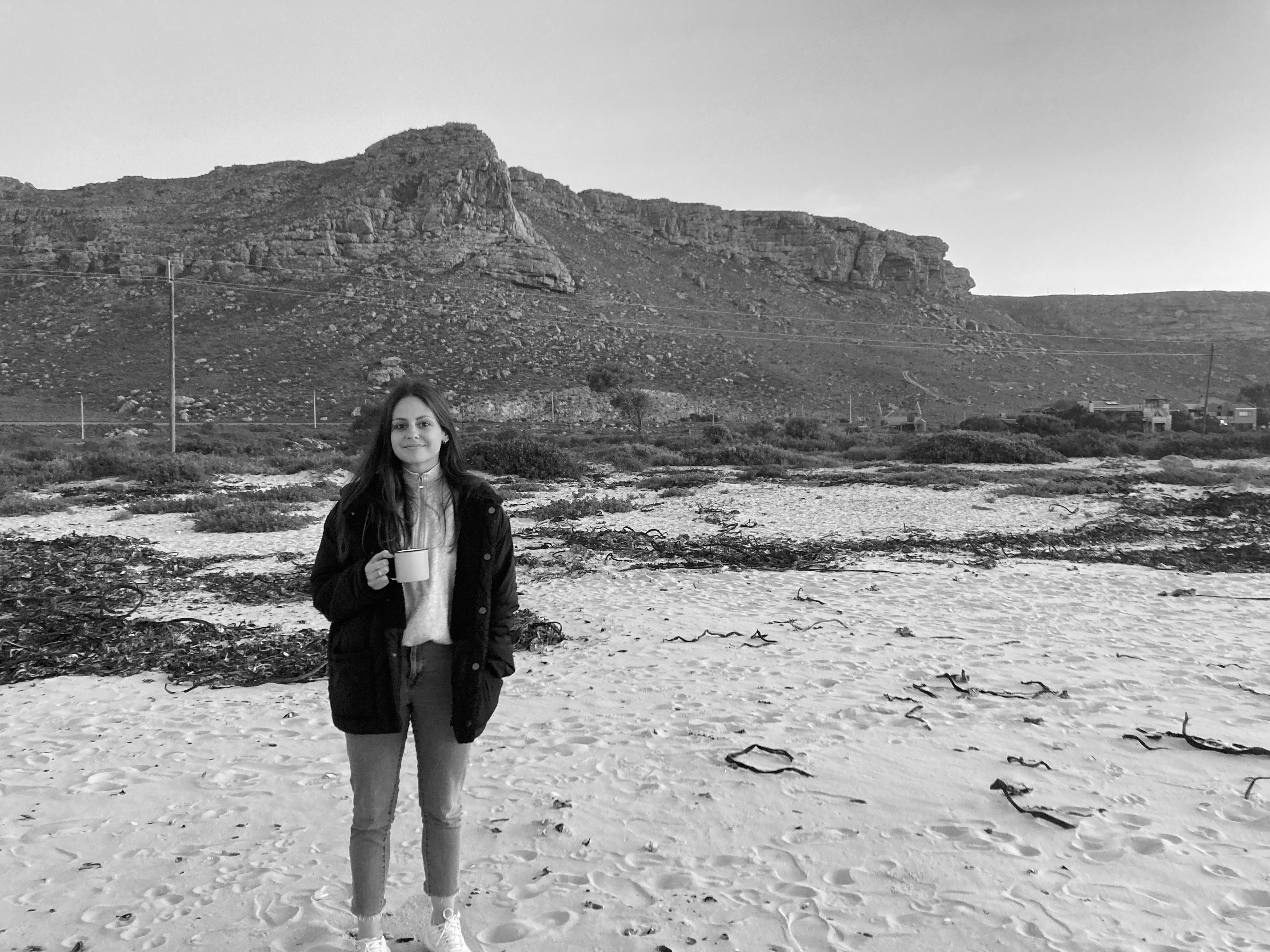
Making the Ocean Economy Readable: A Conversation with Zané van Greuning of Blue Tide
Zané van Greuning grew up in Durban close to Maputaland, moved to Miami, and built Blue Tide -- a weekly newsletter making the ocean economy accessible to anyone curious enough to look. We sat down with her to talk about the journey.
Read moreYour Voice Can Change the Industry: A Research Survey on Dispute Resolution in Yachting
A researcher is studying how workers in South Florida's private yachting industry navigate job-related disputes. If you have worked as crew, a day-worker, dockwalker, or independent contractor, your experience matters.
Read more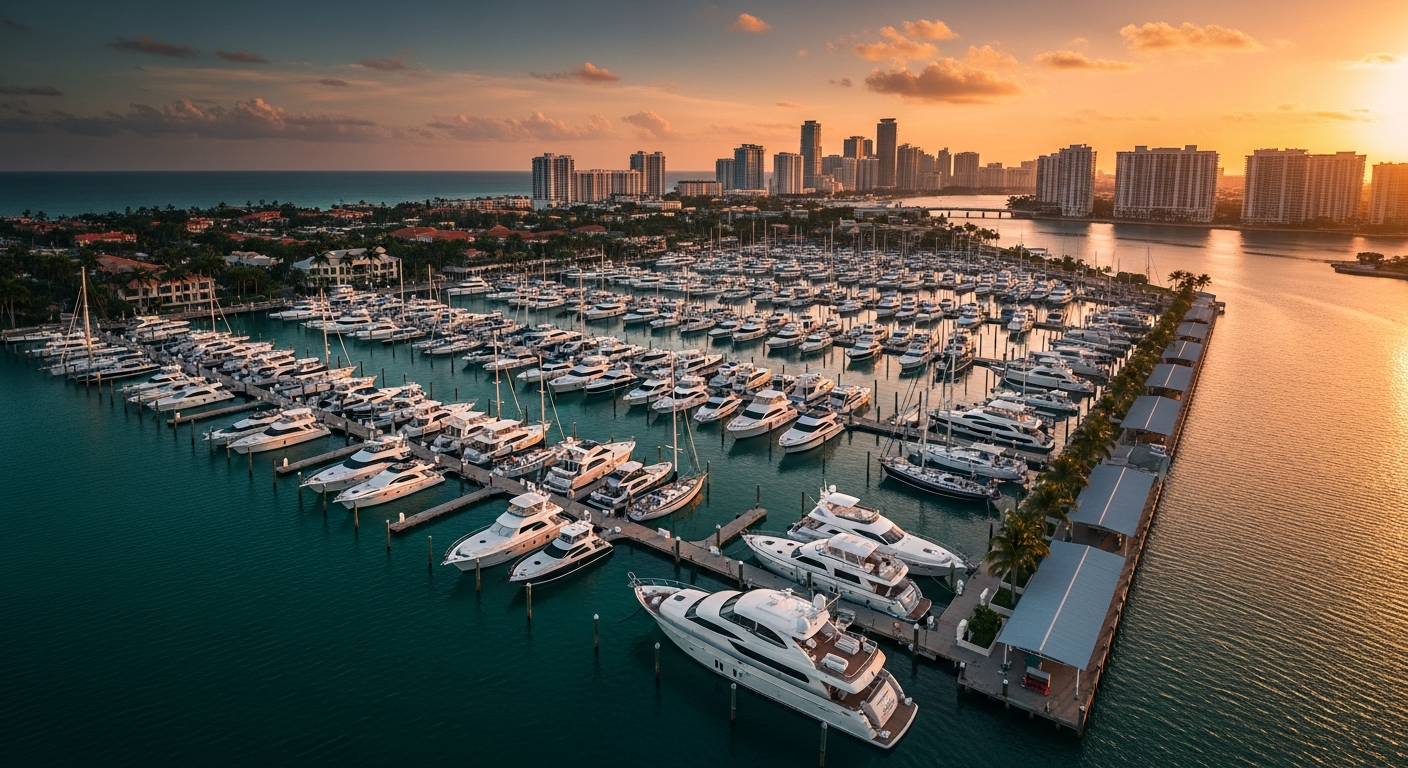
The Marina Roll-Up: A Warning From the Fairway
Private equity is consolidating South Florida's marinas at speed. We've seen this playbook before — on the golf course. A warning about what comes next for the blue economy's most critical infrastructure.
Read more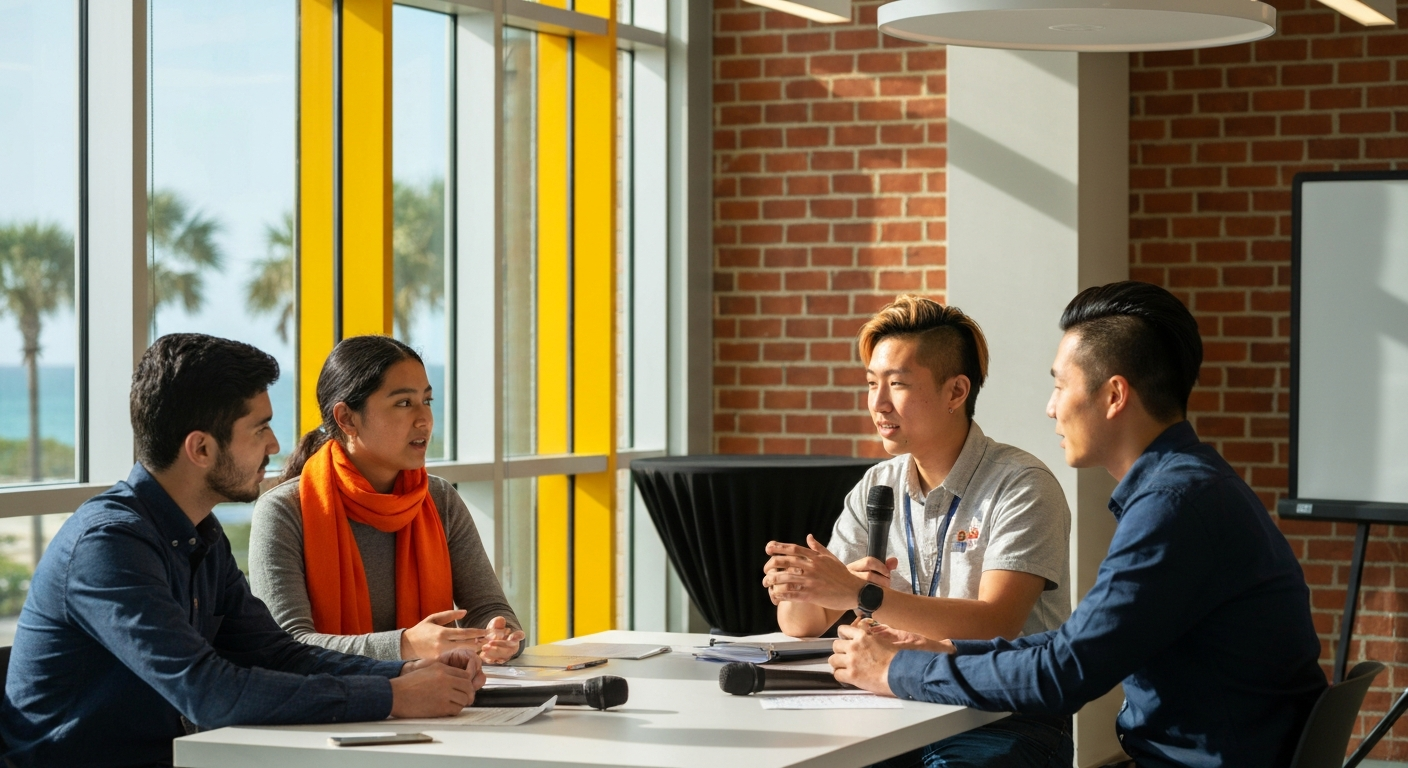
Founding Blue at NSU: Connecting the Next Generation to the Blue Economy
Jacob Ruytenbeek joins the Marine Research Hub's panel at Nova Southeastern University on March 20th — bringing blue economy founders face-to-face with the next generation of ocean innovators.
Read more
Ocean Exchange 2026: $330K in Non-Dilutive Prizes for Blue Economy Founders
Applications open in March for one of the most valuable non-dilutive funding opportunities in the blue economy space.
Read more